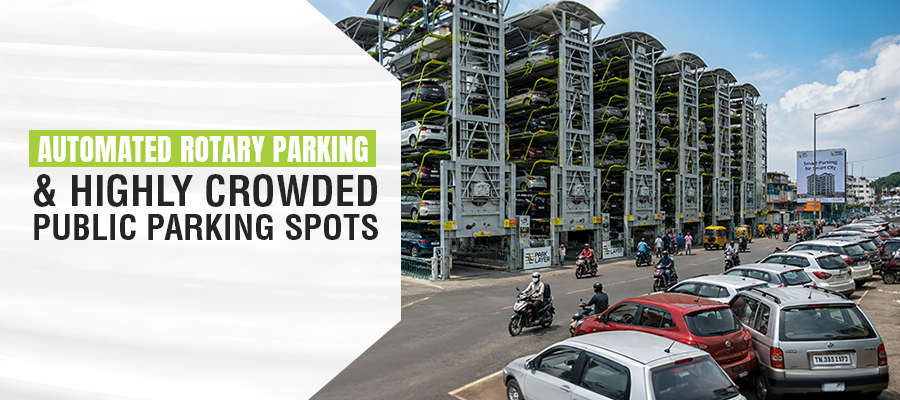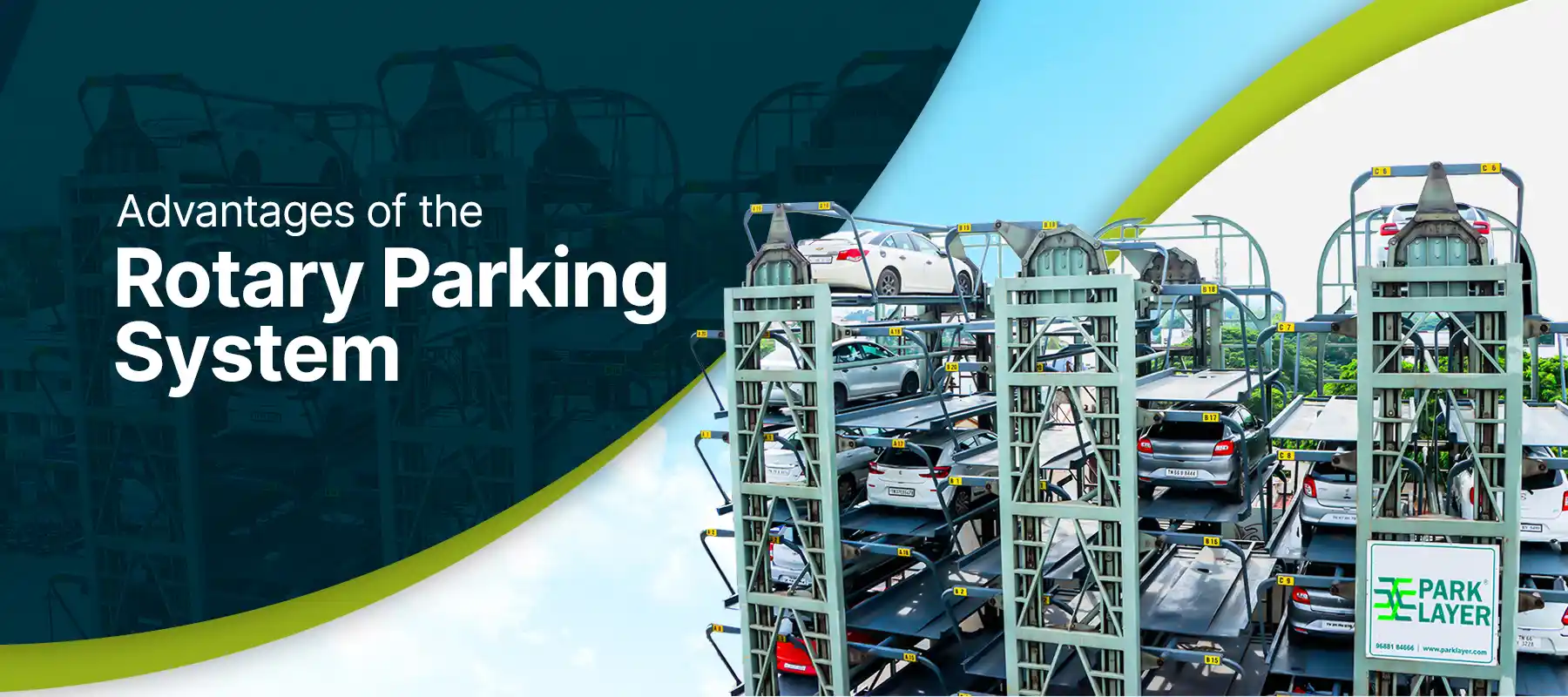

Indian markets are usually crowded and cramped with minimal space for movement for vehicles. You can very often see cars slowly circling the same block for the third time looking for a spot that was never going to exist. But as vehicle ownership climbs steadily across Indian cities and market footfalls grow with it, there hasnt been a better time to think deeply about the innovative parking solutions.
Why markets are a unique parking challenge
Markets operate differently from malls or office complexes. The footfall is unpredictable, the visiting hours are long, and the land surrounding them is almost always cramped and historically unplanned. Studies on some of India's largest wholesale markets have found very few designated parking lots inside or outside the premises, which means vehicles end up parked on approach roads, blocking delivery access and creating the kind of congestion that slows down the entire surrounding area. When vehicles block loading zones, perishable goods take longer to move, margins shrink, and the entire supply chain that keeps a market functional starts to strain.
Retail markets face a different version of the same problem. A shopper who cannot find parking within five minutes is a shopper who keeps driving. In highly competitive commercial zones where one market sits next to another, parking availability has a direct and measurable effect on footfall.
What rotary parking offers in this context
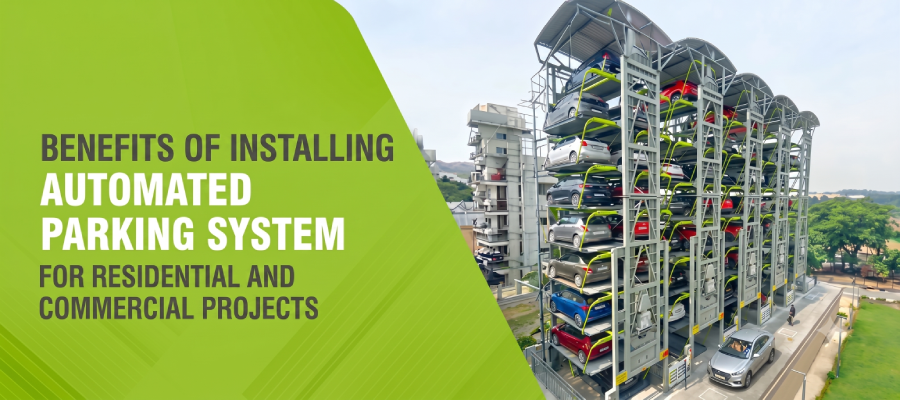
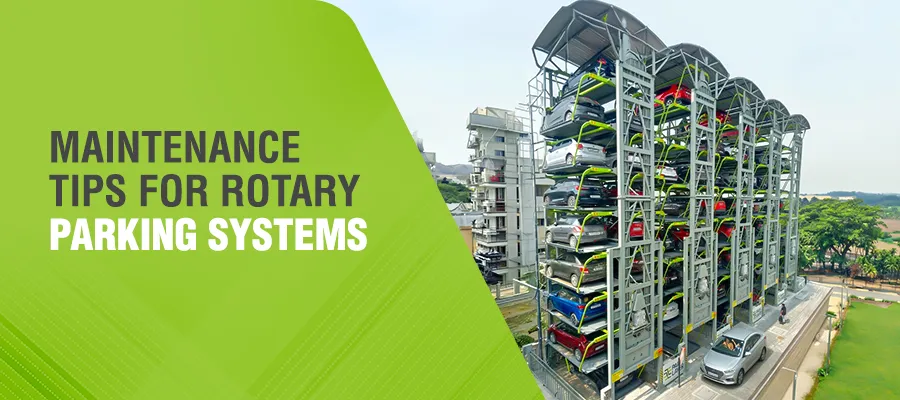
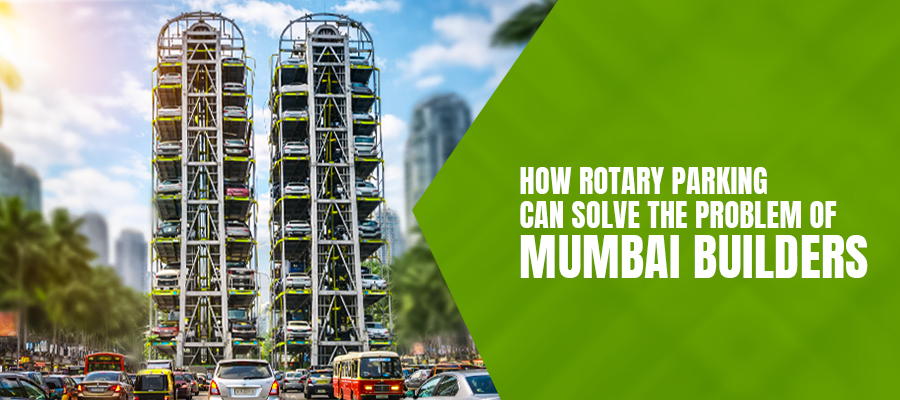
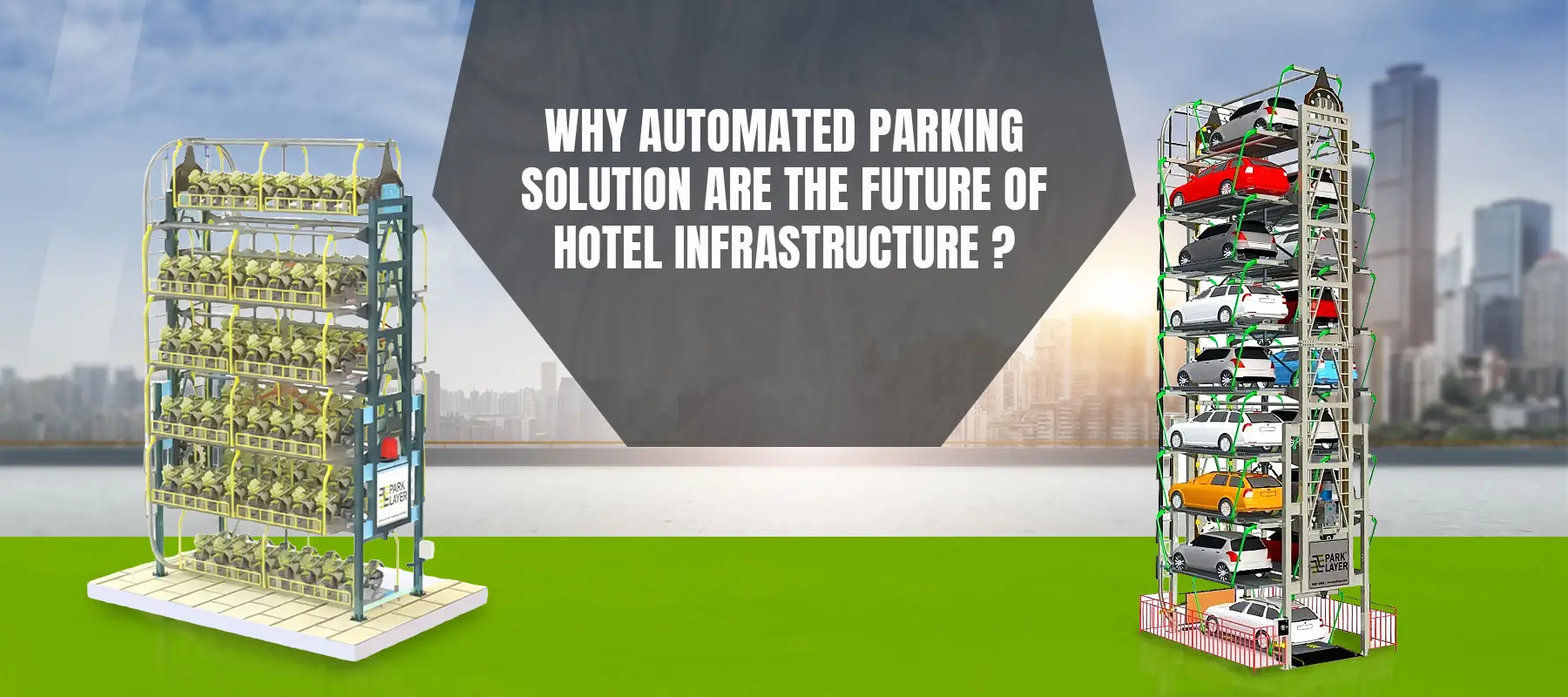
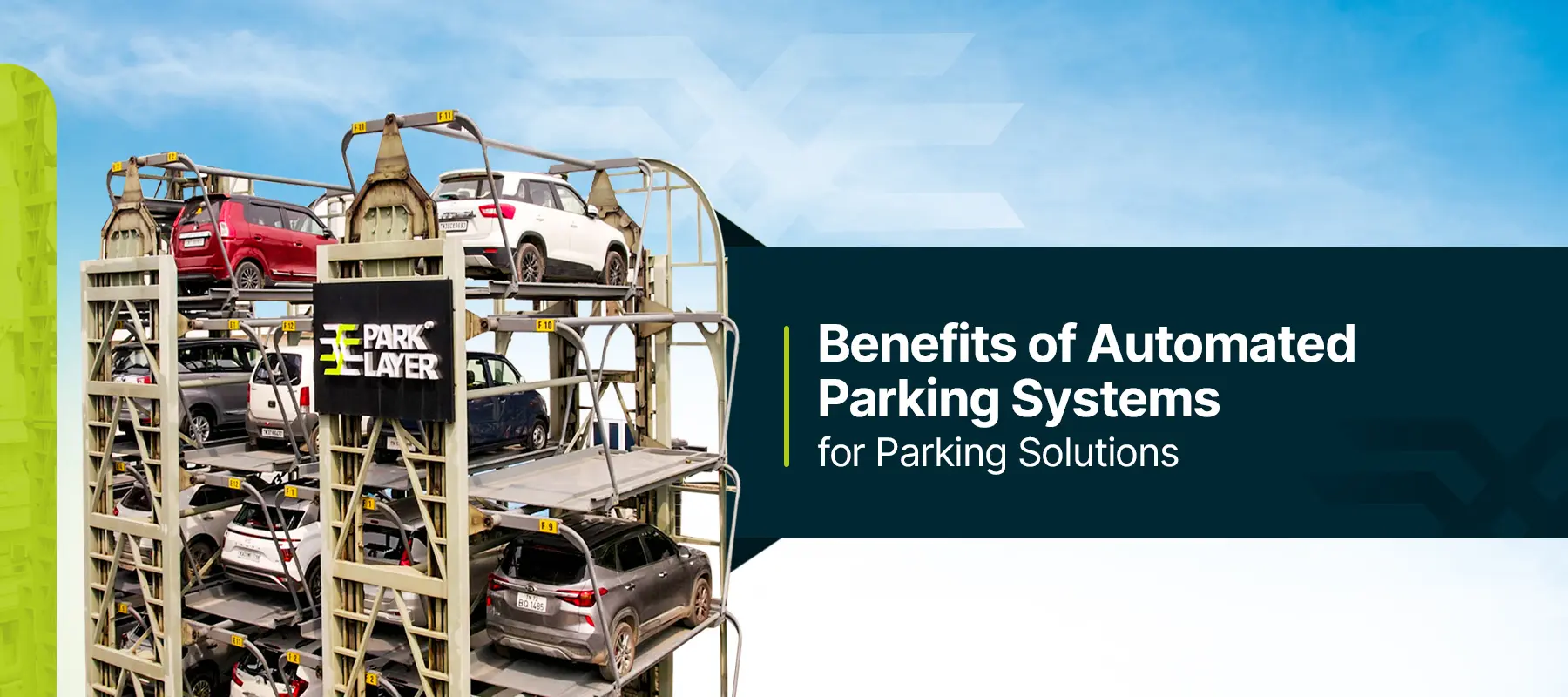
Rotary parking systems work on a vertical carousel principle. The Automated Rotary Parking System can park either 6, 8, 10, or 12 vehicles in the space of only 2 parking spots, making it an ideal solution for sites where space is limited. For a market that sits on a constrained plot with no room to build a conventional parking structure, this changes the arithmetic entirely.
The installation footprint is compact. A single rotary unit can be placed in a corner of the existing compound, on a narrow strip of adjacent land, or integrated into the boundary of the market without requiring demolition or major civil work. This matters enormously in markets where every square foot is already spoken for.
The fully automated operation means the vehicle can be parked and retrieved with minimal human intervention. This removes the need for trained parking attendants managing a large open lot, reduces the risk of vehicle damage during manoeuvring, and keeps the process consistent regardless of how busy the market gets on a given day.
The case for public parking facilities
The demand for smarter public parking infrastructure is being recognised at the policy level too. In February 2025, the New Delhi Municipal Council initiated plans to design, implement, and manage an Intelligent Integrated Parking Management System across 1,541 locations in the city, indicating that automation of parking is no longer a private matter but a public infrastructure priority.
Automation of parking will continue experiencing growth due to innovations in technologies like automated ticketing and payments, the use of IoT-enabled sensors for parking spaces, and applications that notify users of parking spot availability. In the case of a public parking facility for a busy market, it allows customers to find out whether parking spots are available, pay online, and retrieve their cars without waiting in long queues.
By having a busy commercial district install a public automated parking facility, the problem of street parking congestion in the region is sorted out, leading to improved vehicular traffic flow across the surrounding area.
Installation without disruption
One concern market administrators often raise is disruption during installation. Unlike multi- storey parking structures that require months of construction, rotary systems are modular and factory-built. The on-site installation timeline is significantly shorter, which means markets do not need to shut down sections of operation during the process.
Parklayer's rotary systems, engineered on Korean technology, are built for high reliability and consistent performance in high-turnover environments. The system handles continuous use across long operating hours, precisely the kind of demand that a busy market generates from early morning to late evening, seven days a week.
Reliability that markets depend on
A parking system at a market cannot afford downtime. If the system stops, vehicles cannot be retrieved, and the resulting disruption affects not just the parking facility but the vendors, suppliers, and shoppers who depend on it. This is why the engineering standard of the system matters as much as the space-saving benefit.
Parklayer's rotary systems are designed with zero downtime as a non-negotiable requirement. Markets and public parking facilities that install these systems are not just solving a space problem. They are investing in infrastructure that is built to run as reliably as the market itself.
The wider picture
India's cities are growing rapidly, and with them, the number of vehicles on the road. Increasing urban populations result in a higher number of vehicles, which exacerbates traffic congestion and makes finding parking progressively harder.
Markets sit at the centre of this challenge. They generate some of the highest vehicle volumes in any urban neighbourhood, they operate on land that was never designed for modern traffic density, and they serve communities that depend on them daily. Automated rotary parking is not a luxury upgrade for these spaces. It is the most practical answer to a problem that is only going to grow.
© 2026. Parklayer Pvt Ltd. All rights reserved.