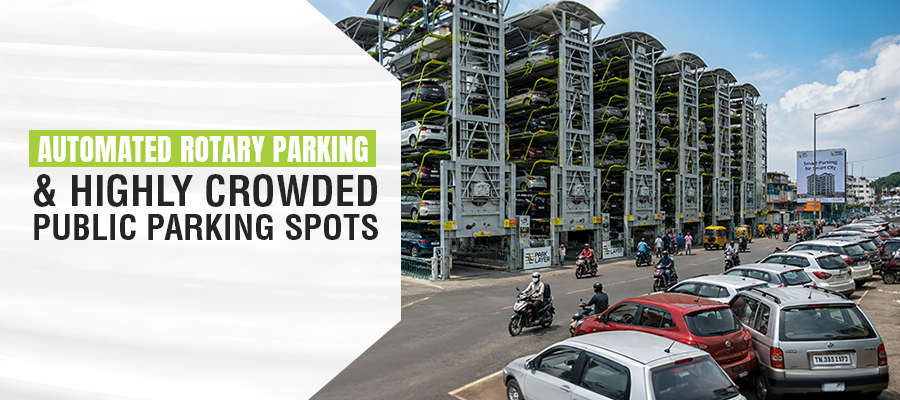

Drive through any commercial district in Mumbai, Bangalore, or Delhi around 9 AM and you'll see the same chaos. Cars circling blocks. Drivers desperately scanning for spots. Delivery trucks blocking lanes. It's not just frustrating, it's expensive. Every minute wasted hunting for parking is time not spent doing business.
Commercial areas have a parking problem that goes beyond inconvenience. The land costs a fortune. Buildings are packed tight. Everyone needs to park/retrieve at the same time. Traditional solutions like sprawling parking lots or multi-level structures eat up exactly the space that could be making money instead.
This is where rotary parking starts making sense for businesses. Not because it's fancy technology, but because it solves a very practical problem: how to fit more cars into less space in places where space itself costs a fortune.
What Rotary Parking Actually Does
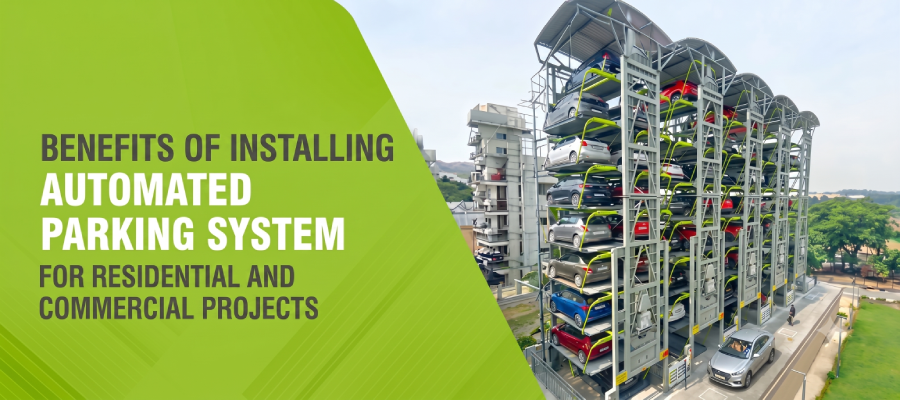
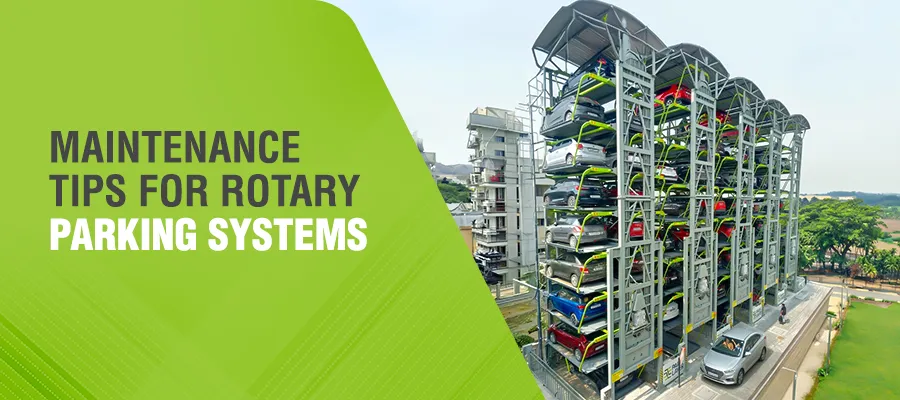
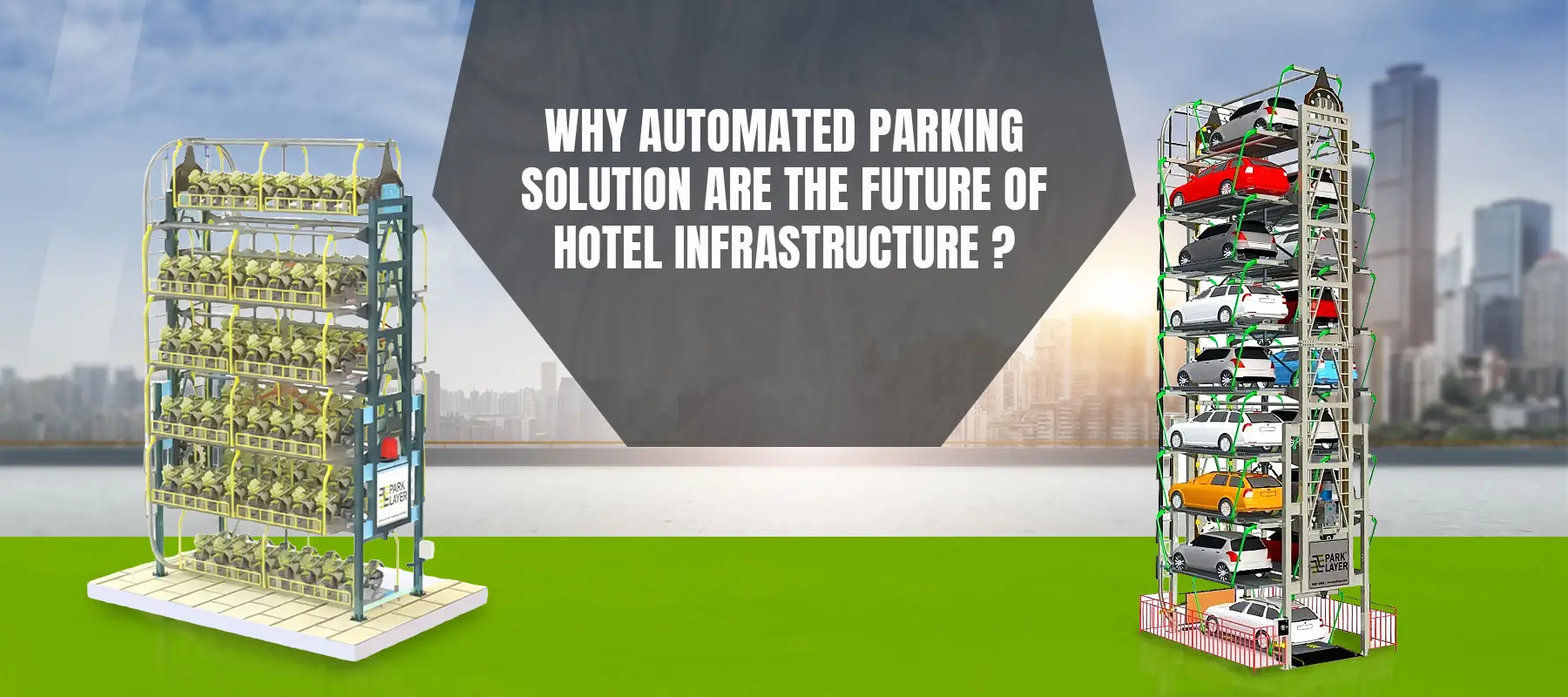
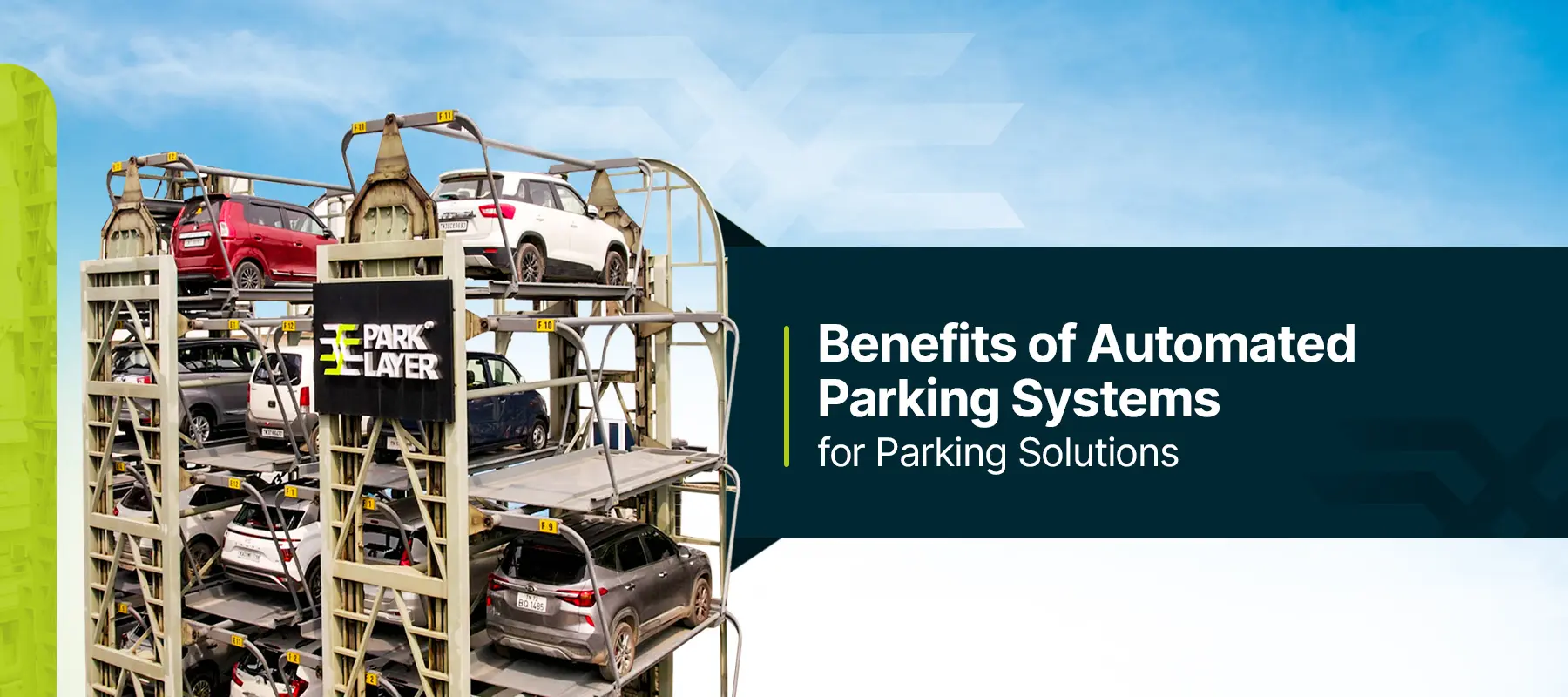
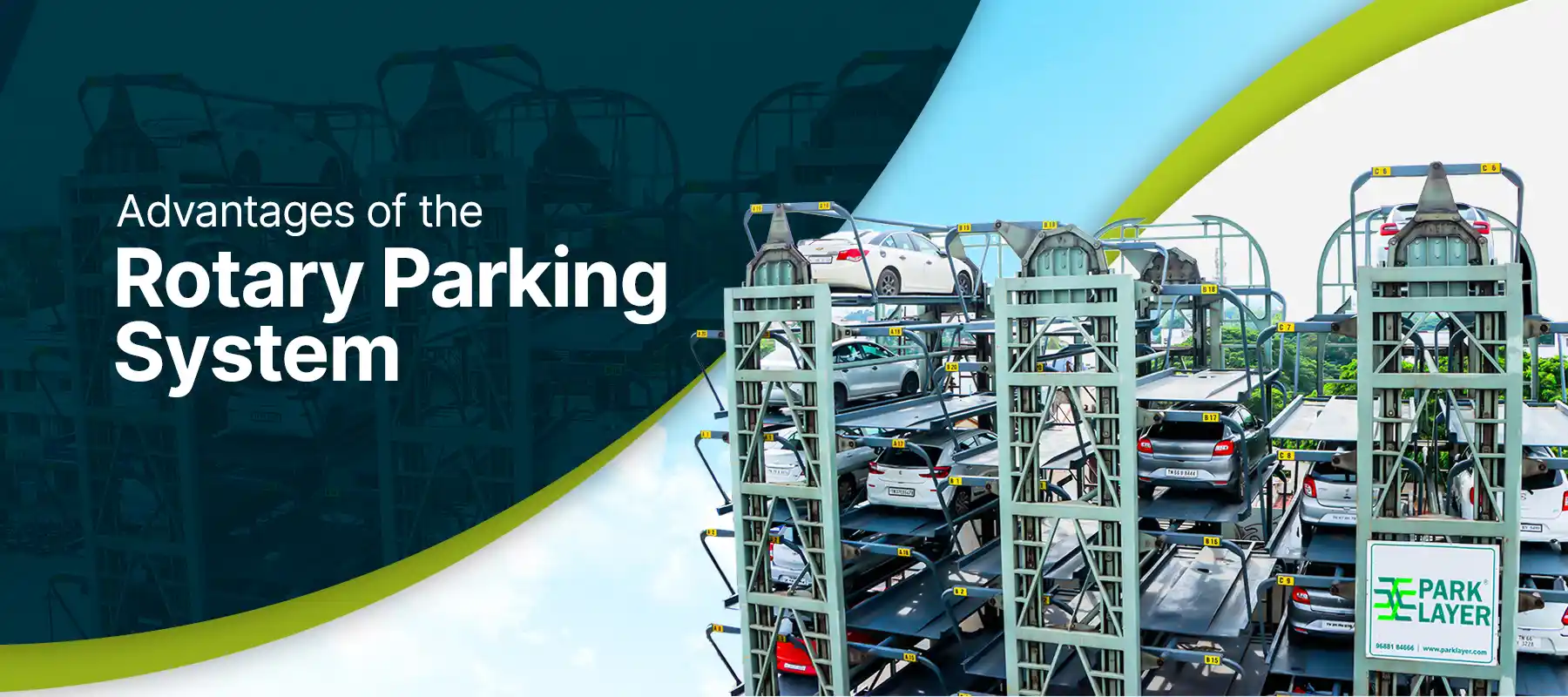
Picture a Ferris wheel lying on its side. Cars drive into ground-level bays. Once you get out, the whole structure rotates, moving your car into a vertical storage position. When you need your car back, the system rotates until your vehicle is back at ground level. The whole process takes about a minute.
What makes this useful for commercial properties is the footprint. A rotary system holding 72 cars might only take up the ground space where you'd normally fit 10 or 12 cars with access lanes. You're getting six or seven times the parking capacity in the same area.
That matters enormously when land costs what it does in commercial districts. Instead of building massive parking structures that consume half your property, you can satisfy parking requirements in a compact installation and use the rest of the land for things that actually generate income.
How This Plays Out in Real Buildings
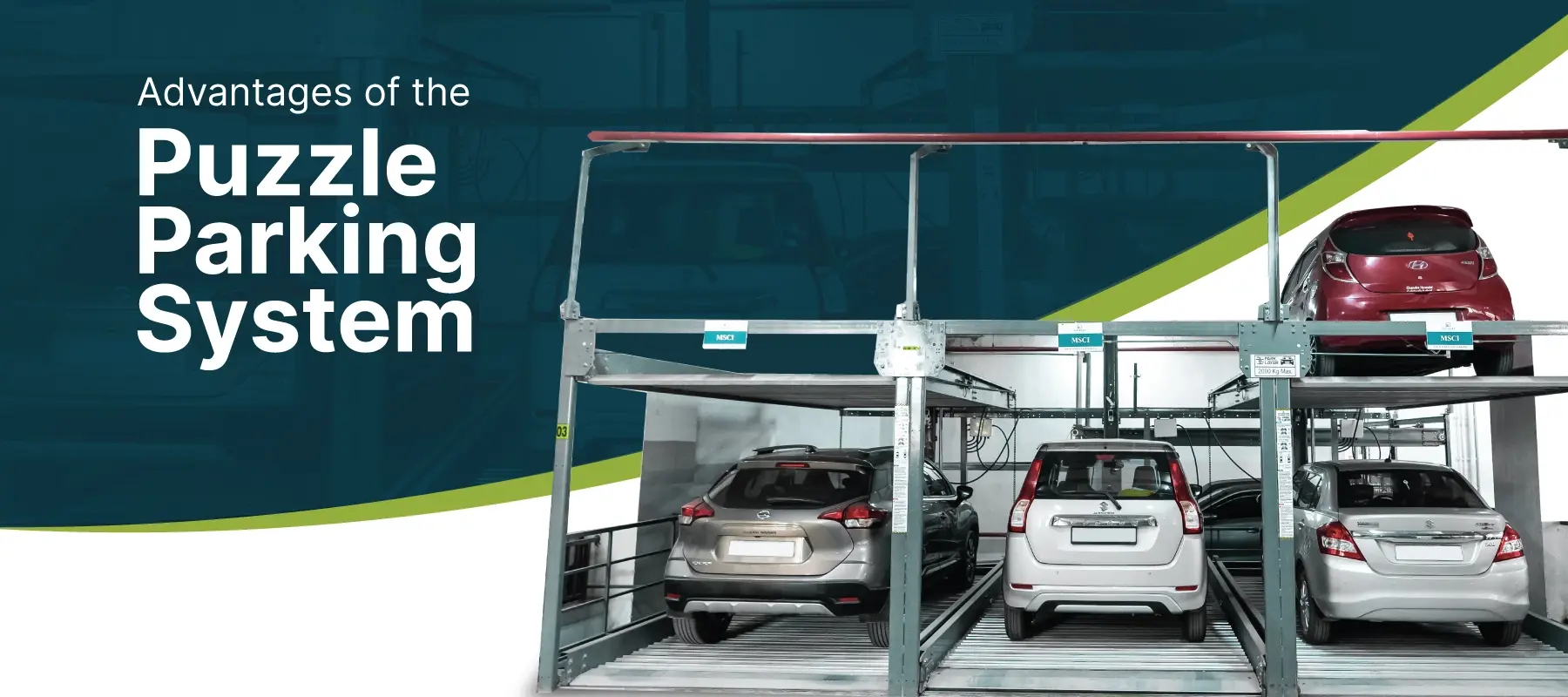
Asmi Legend in Goregaon West, Mumbai demonstrates how rotary parking transforms commercial project economics. The property initially planned a 9-level above-ground puzzle parking structure to meet their parking requirements. The space constraints and structural complexity made this approach both expensive and spatially inefficient.
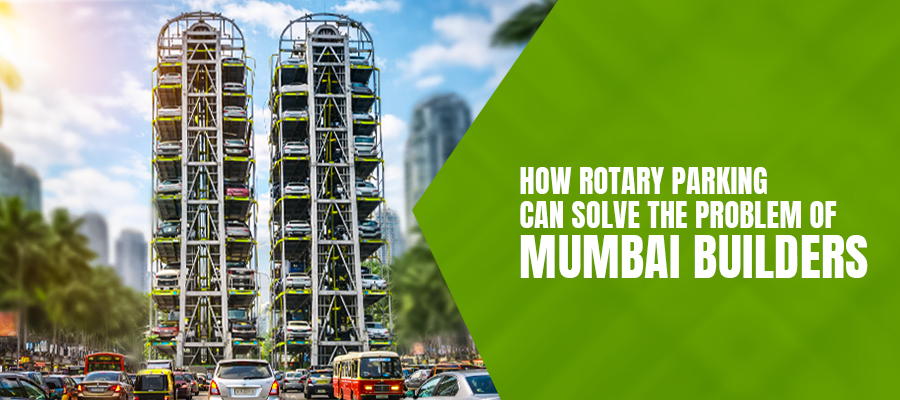
Instead, they installed six Parklayer rotary machines delivering 98 car spaces: one 18L unit, three 16SU units, and two 16HB units. The rotary system configuration accommodates the same vehicle capacity in significantly less space than the proposed 9-level structure would have required, while avoiding the extensive structural framework and ramp infrastructure that puzzle parking demands.
This conversion represents a common scenario in Mumbai's commercial developments where land costs make traditional multi-level parking economically challenging. The rotary solution delivers required capacity while freeing valuable space for revenue-generating commercial uses.
Hotels need to park guests, restaurant customers, event attendees, and staff on expensive urban land where ground floor space could be restaurants or retail. Rotary systems let hotels stack parking vertically while keeping the valuable ground level for uses that actually make money.
Office buildings have it worse because everyone shows up at once. Morning rush means hundreds of cars arriving in a 30-minute window. Traditional parking to handle that peak load requires enormous space. Rotary systems pack those cars vertically, letting the building dedicate more area to rentable office space.
Shopping centers need available parking but also as much actual retail space as possible because that's what generates rent. Rotary parking handles the vehicles in minimal area, leaving more room for stores that bring in money.
The Business Case That Actually Matters
Here's a practical example. You have a commercial building where land costs ₹80,000 per square foot. Traditional parking for 100 vehicles needs about 35,000 square feet. That's ₹28 crores of land value doing nothing but storing cars.
Rotary systems fit those same 100 vehicles in maybe 10,000 square feet. You've just freed up 25,000 square feet. What could you do with that? Build another floor of offices. Add retail space. Create a restaurant. Any of those options generate actual revenue, month after month, year after year.
The parking system costs money upfront, certainly. But when you account for the value of the land you're not wasting on circulation lanes and what that freed space can earn, the numbers start looking different.
Construction costs matter too. Digging basements in busy commercial areas gets complicated with existing utilities, neighbouring buildings, and businesses that can't shut down. Rotary systems that don't require extensive excavation avoid much of that expense and disruption.
The Questions Business People Actually Ask
The first question is always about reliability. Modern rotary systems run at uptime rates above 99%, similar to building elevators. The technology has been refined over decades of worldwide use.
Speed matters too. Current systems typically get your vehicle to you in 60 to 90 seconds. That's often faster than walking to a distant parking spot in a large traditional garage and driving out.
Capacity planning comes up frequently. Office buildings need systems that handle morning rush when everyone arrives at once. Rotary systems can be configured with multiple entry and exit points to handle concentrated demand periods efficiently.
Security gets asked about. Cars are stored in secure mechanical positions with limited access. CCTV monitors the entire operation. For commercial buildings where security matters, this represents an improvement over traditional parking structures.
The Competitive Edge
In tight commercial markets, parking quality affects business outcomes. Office buildings with parking problems lose tenants. Retail centers where customers struggle to find spots lose sales. Hotels with parking headaches get poor reviews.
Employees genuinely care about workplace parking. Buildings that can guarantee parking access become more attractive to corporate tenants, and that affects what rent they can command.
Retail is even more direct. Parking availability influences where people shop. Retail properties that solve parking through compact rotary systems capture customers that parking-limited competitors can't accommodate.
The Bigger Picture
Indian cities are building up, not out, because horizontal expansion doesn't work anymore in established business districts. Land costs too much. Space is too limited.
Traditional parking methods made sense when land was cheap and plentiful. Those conditions don't exist in high-density commercial areas where land costs drive everything.
For commercial property owners working in space-constrained urban environments, rotary parking is increasingly the practical solution that makes projects work financially while meeting functional requirements.
The technology is proven. The economics favour it where land costs are high. Commercial districts across Indian cities are discovering that when you run out of horizontal space, stacking cars vertically just makes practical business sense.
© 2026. Parklayer Pvt Ltd. All rights reserved.