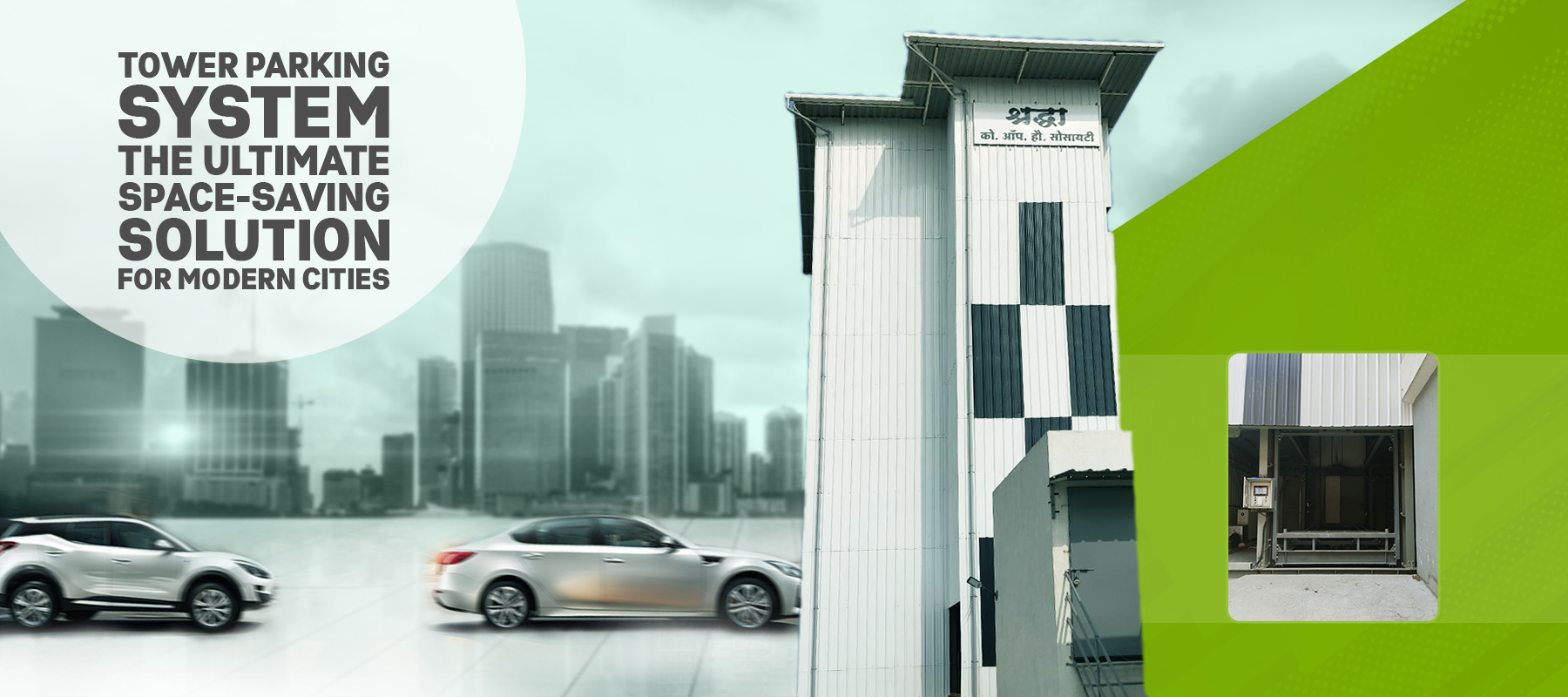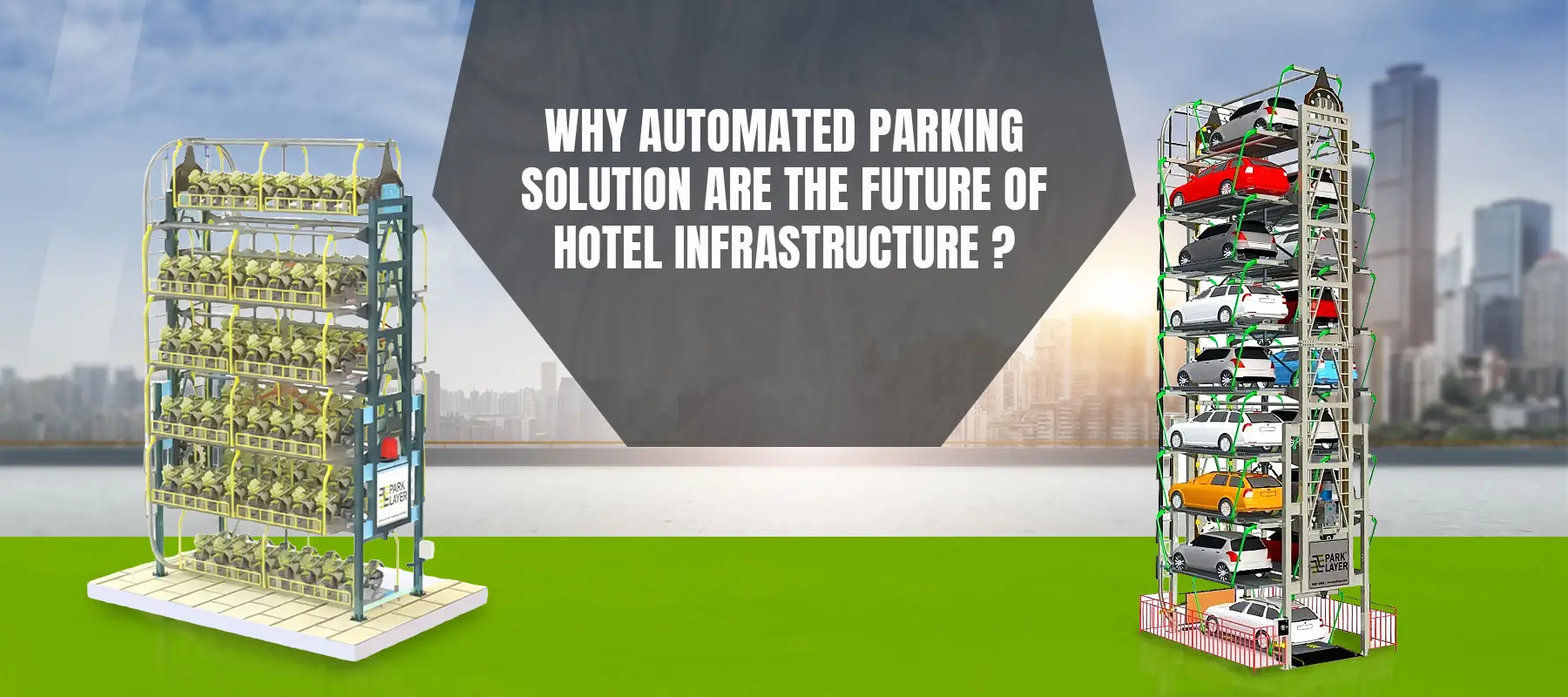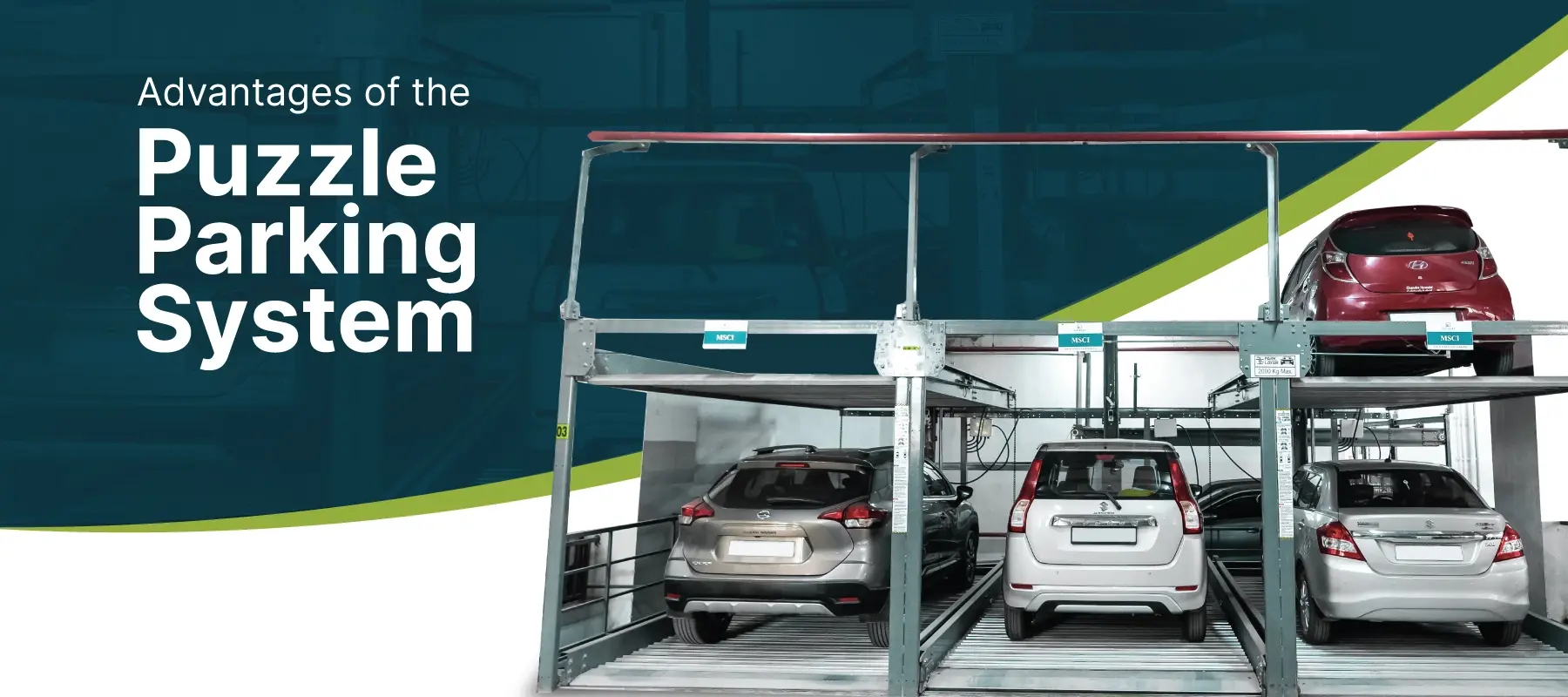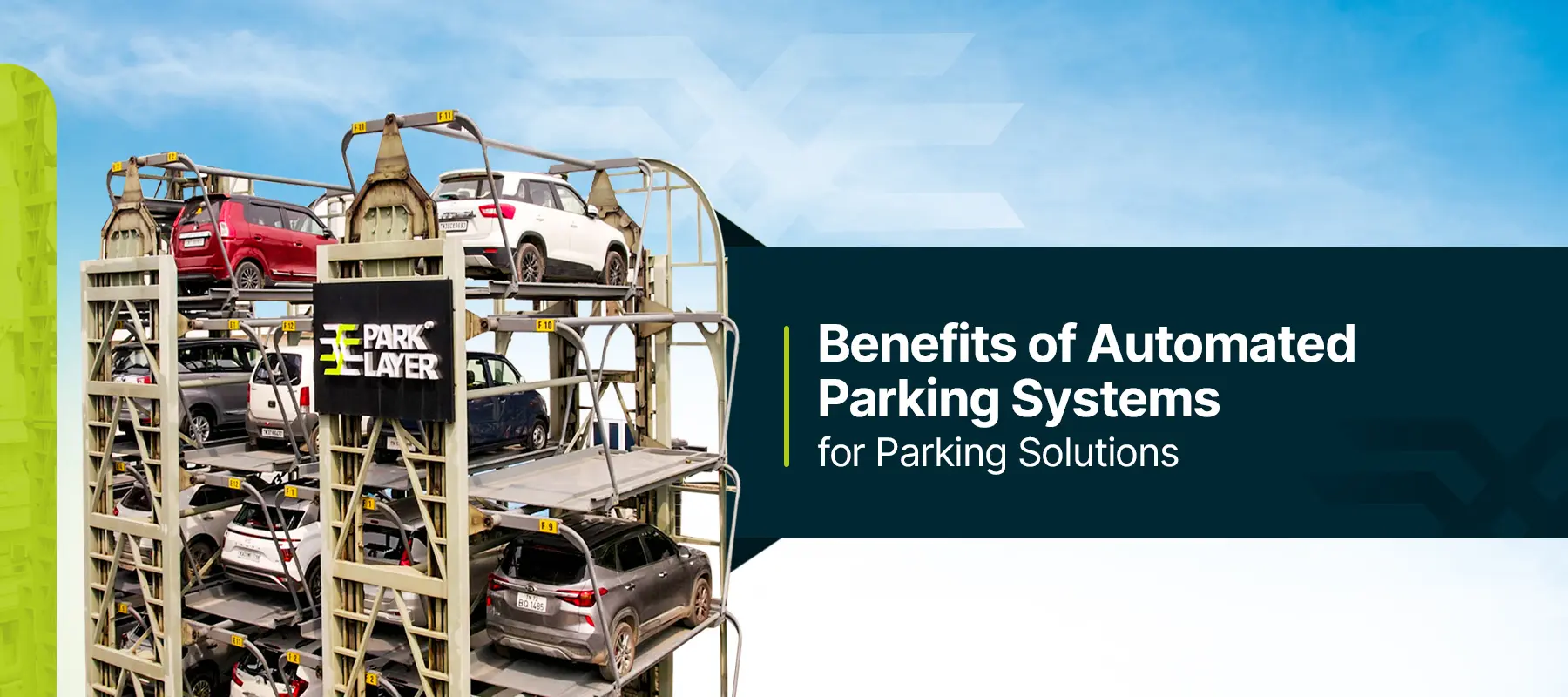

The hospitality sector in India is seeing unprecedented growth. As per Rubix Data Sciences, the sector is likely to cross Rs 1.1 trillion by 2027 at an annual growth rate of 10.5%. Further, the hotel market in India is expected to grow at around 52 billion U.S. dollars by 2027, according to Statista from Redseer research. Mordor Intelligence also states that it will reach USD 45.40 billion by 2030, moving at a CAGR of 13.38%. Yet here's the paradox: while we are building upwards with stunning properties, we are still thinking about parking horizontally.
When you drive through Mumbai's Bandra, Bangalore's MG Road, or Delhi's Aerocity you can observe that gleaming hotels dedicate almost 40% for ground-level parking. The hospitality industry has revolutionized booking systems and service delivery, but parking remains stubbornly outdated.
The Economics Hotels Can't Ignore
A Mumbai luxury hotel recently audited their parking operations and discovered they were spending ₹45 lakhs annually managing 80 basement spaces with staff salaries, insurance, maintenance, security, and liability claims. After switching to automated rotary systems, that same space now accommodates 180 vehicles with minimal operational costs.
Traditional parking requires roughly 300-350 square feet per car including access lanes. Where land trades at ₹50,000 to ₹1 lakh per square foot, a hotel with 100 parking spaces locks up ₹15-30 crores of real estate storing cars. One Pune hotel chain converted ground parking to automated towers, freeing space for 12 additional suites generating ₹18 lakhs monthly.
Guest Experience Transformation
Parking frustrations rank among top three hotel complaints, yet rarely get addressed. The typical journey involves circling for spots, waiting for valets, watching strangers drive away with vehicles, then waiting 10-15 minutes for retrieval.
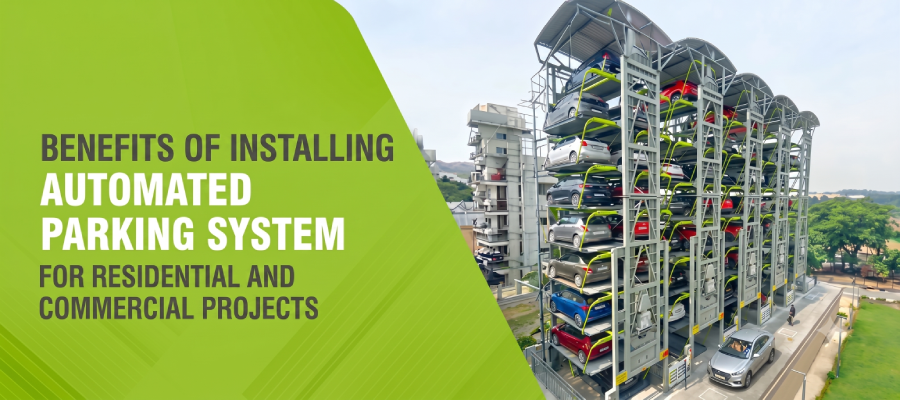
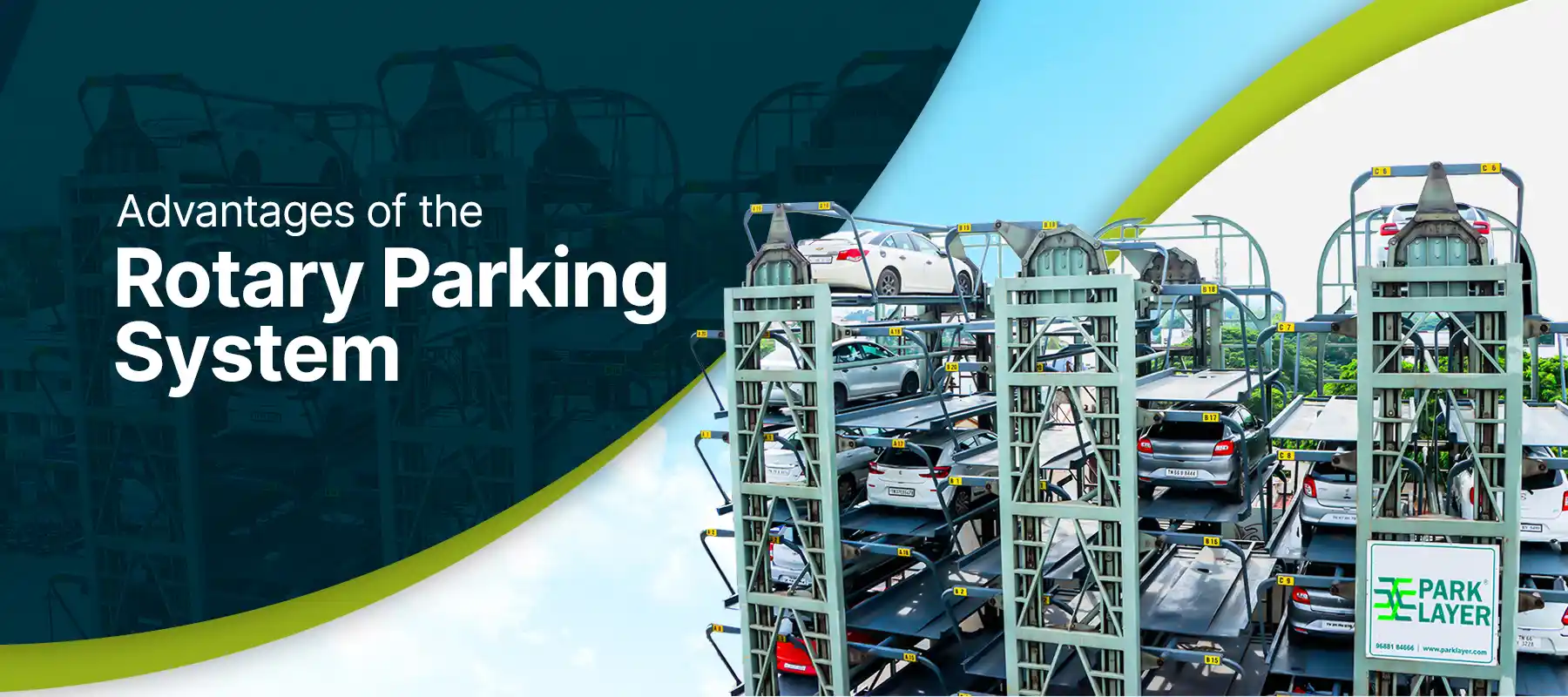
Automated systems change this completely. At Coimbatore's Aarvee Hotel, guests drive to drop-off points and walk away. The system handles everything. Vehicle retrieval takes under three minutes via app. This 72-room property operated with just two parking spaces and regularly turned guests away. After installing rotary systems accommodating 18 SUVs in identical footprint, occupancy jumped significantly. Guests now praise the "cool parking system" in reviews.
Unlocking Impossible Projects
Municipal regulations typically mandate 1.5 parking spaces per room. For 100-room hotels, that's 150 cars requiring roughly 50,000 square feet including circulation, often killing promising projects in land-scarce cities.
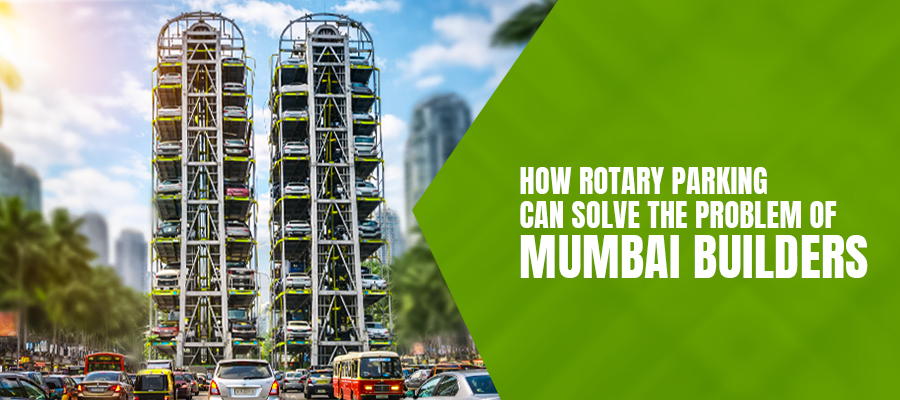
A Gurgaon developer secured a plot near Cyber Hub perfect for business hotels. Traditional parking allowed maybe 60 rooms, barely viable. An automated tower occupying just 8,000 square feet but accommodating 180 vehicles enabled 120 rooms plus ground-floor retail. Project IRR jumped from marginal to exceptional. Avoiding three basement levels saved ₹8.5 crores in construction costs—improving returns by nearly 4 percentage points.
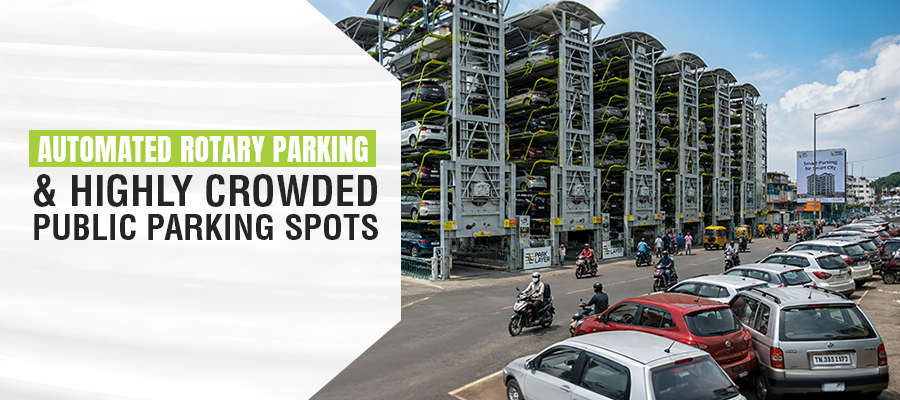
Government recognizes this value. On November 29, 2025, GHMC Mayor Vijaylaxmi R Gadwal inaugurated Hyderabad's first automated smart rotary parking facility at KBR Park, developed under PPP model. The facility features 72 car slots with RFID-enabled entry, EV charging points, load- balance sensors, CCTV monitoring, and emergency response mechanisms, operating 5 AM to 11 PM daily.
Measurable Sustainability
Corporate travel managers increasingly prioritize environmental impact. Guests spending 8-12 minutes circling for parking at 200-check-in hotels means roughly 25,000 liters of fuel wasted annually in parking-related idling. Automated systems eliminate this, cars park immediately with zero idle time.
Traditional basement parking requires continuous ventilation and lighting. Typical 100-car basements run approximately 150 kW continuously. Automated towers use fractions of these resources while delivering superior capacity. For hotels pursuing LEED certifications or meeting corporate ESG requirements, automated parking provides quantifiable environmental benefits.
Proven Technology
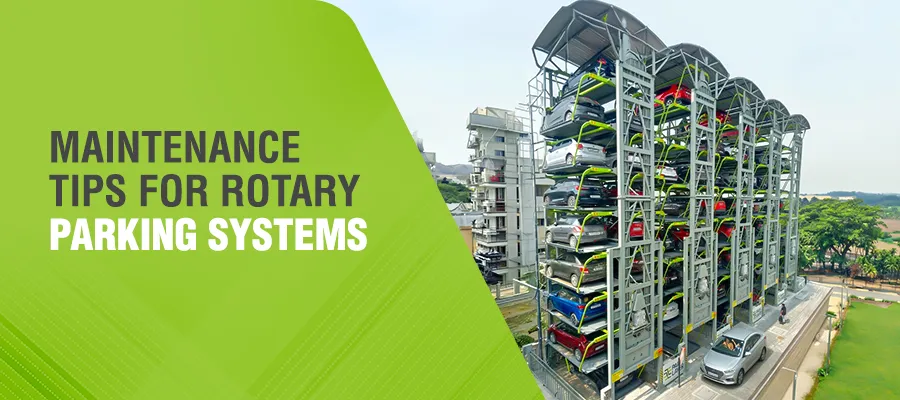
Modern systems operate with 99%+ uptime, comparable to building elevators. Korean technology backing systems like Parklayer has matured through thousands of global installations. Maintenance is predictable and manageable, often less demanding than basement infrastructure.
Features include RFID contactless access, EV charging integration, load-balance sensors handling vehicles from hatchbacks to Rolls Royces, 24/7 CCTV security, weather protection, and accommodation for both cars and bikes. Some installations park 20 motorcycles in space for 4 traditional spots.
ROI calculations are straightforward. Most hotel installations show 3-5 year payback through space optimization, operational cost reduction, and eliminated liability. After payback, it's pure margin enhancement.
The Competitive Advantage
When most hotels offer frustrating conventional parking, properties with seamless automated systems stand out in guest reviews, corporate travel decisions, and operational metrics, rare differentiation in an industry where most compete on identical dimensions.
Momentum builds nationwide. From Coimbatore's Aarvee Hotel to Hyderabad's KBR Park to Imphal Smart City Limited planning four rotary facilities with capacity for 42 four-wheelers and 70 two- wheelers per location, the transformation accelerates.
With domestic travellers contributing 50 percent of incremental revenue growth, foreign tourist arrivals at 30 percent, and MICE at 20 percent, hotels capturing this growth need infrastructure matching their ambitions. Luxury properties are set to advance at 12.13% CAGR through 2030—these premium properties especially benefit from premium parking solutions.
The technology is proven. Economics are compelling. Guest benefits are clear. Environmental advantages are measurable. Competitive differentiation is real.
The future of hotel infrastructure is vertical, automated, and efficient. The question isn't whether automated parking represents hospitality's future, it's whether your property will lead this transformation or spend years catching up.
© 2026. Parklayer Pvt Ltd. All rights reserved.