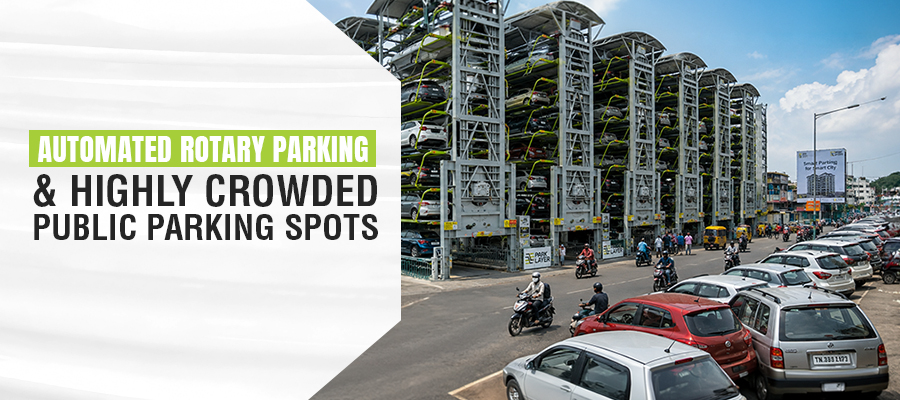
Drive down any busy street in an Indian city, and this is what you will see. Cars driving on pedestrian pathways. Vehicles obstructing the way to building entrances. The driver of a van is stuck behind a line of parked cars without a way out. Somewhere amidst all this, there is a driver making the same round three times.
This is not a riddle but simply the reality of the situation. The reason is that with over 300 million cars already registered in India, and that number continuing to grow, there simply is no room left for space.
Why Traditional Parking Isn’t Adequate Anymore
Many don’t know just how much space a traditional parking facility takes up. Ramps reduce the usable area. So do turning radii, circulation lanes, and walkways. By the time you account for all of that, the actual space used for storing vehicles is a small fraction of what was allocated.
For a developer in a city where land costs what it does, that is a painful equation. And it only gets worse as vehicle numbers grow.
There is also the day-to-day reality of running a conventional parking facility. Attendants managing queues. Vehicles getting scratched during manoeuvring. Complaints from residents and customers. None of this is unavoidable. It is just what you get when the infrastructure has not kept up with demand.
Going Vertical Changes the Math
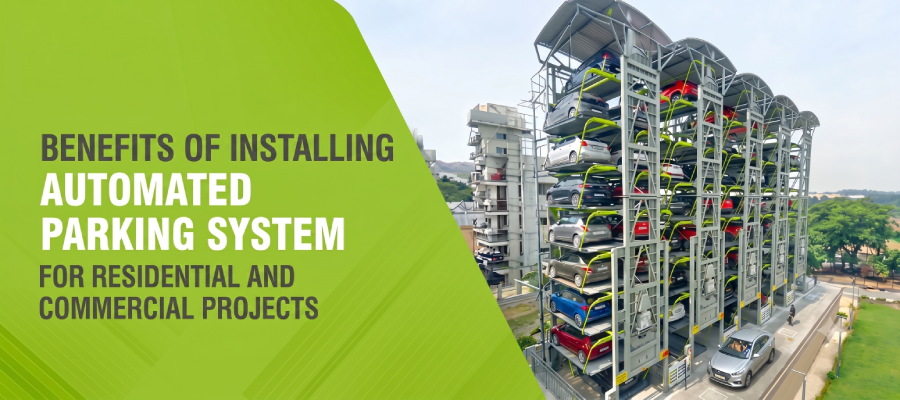
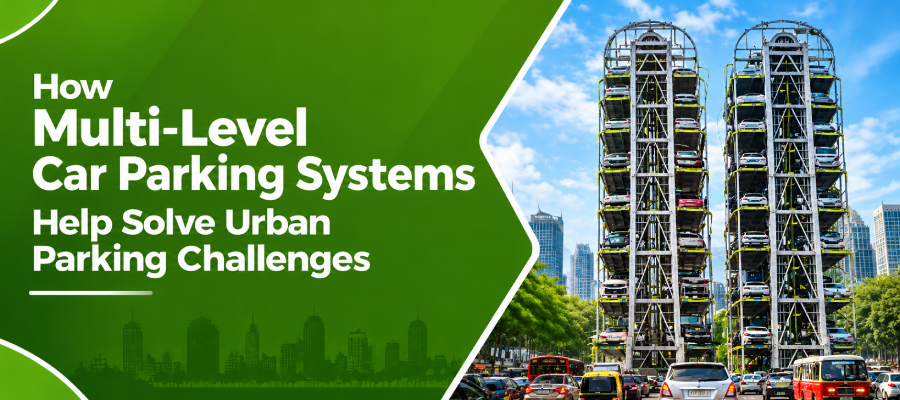
Multi-level parking systems solve the space problem by stacking vehicles instead of spreading them out. No ramps. No wide circulation lanes. Just a mechanical system that parks and retrieves cars within a compact footprint.
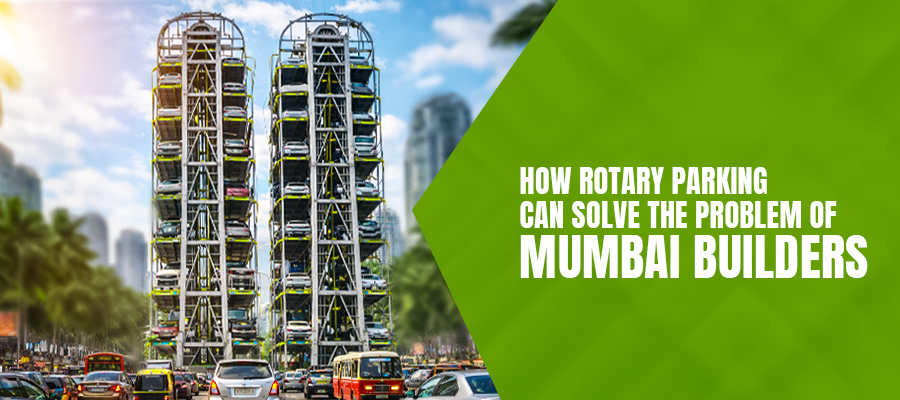
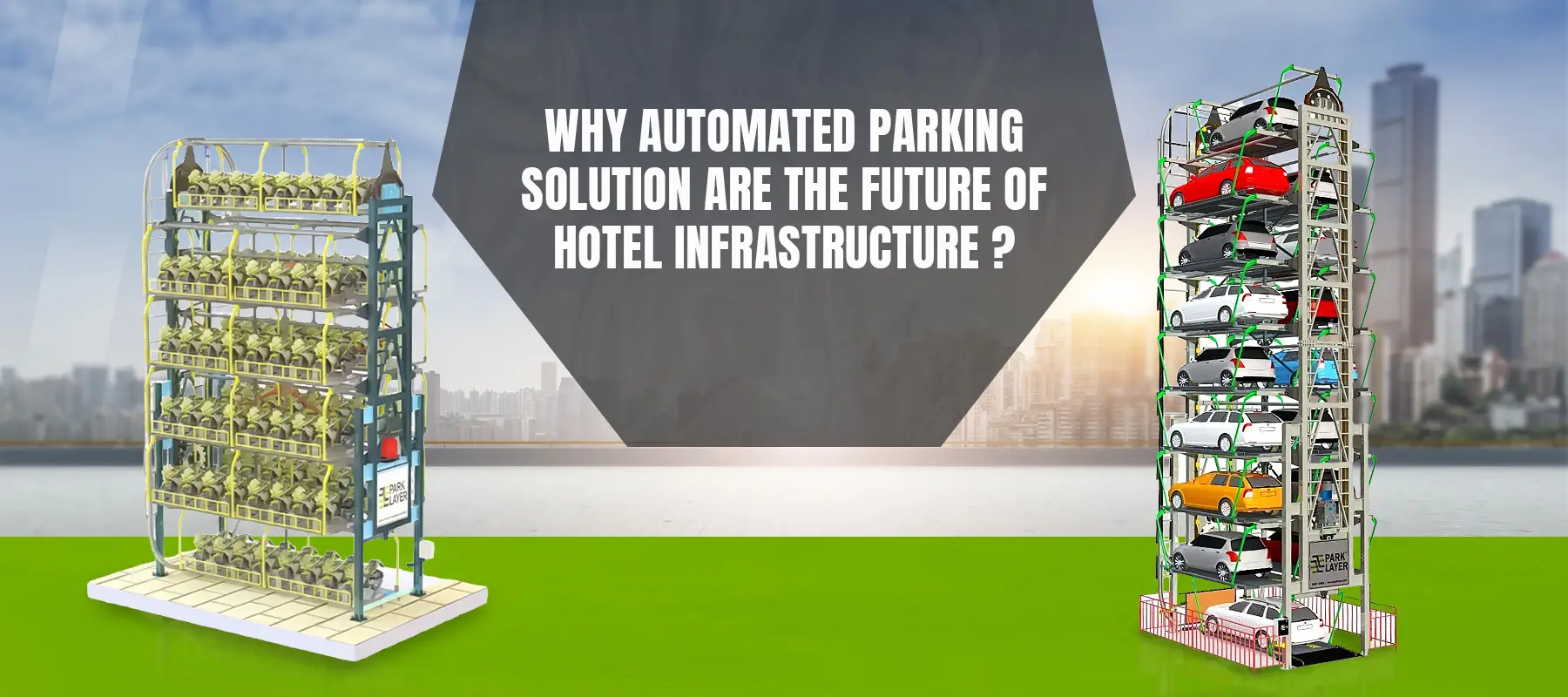
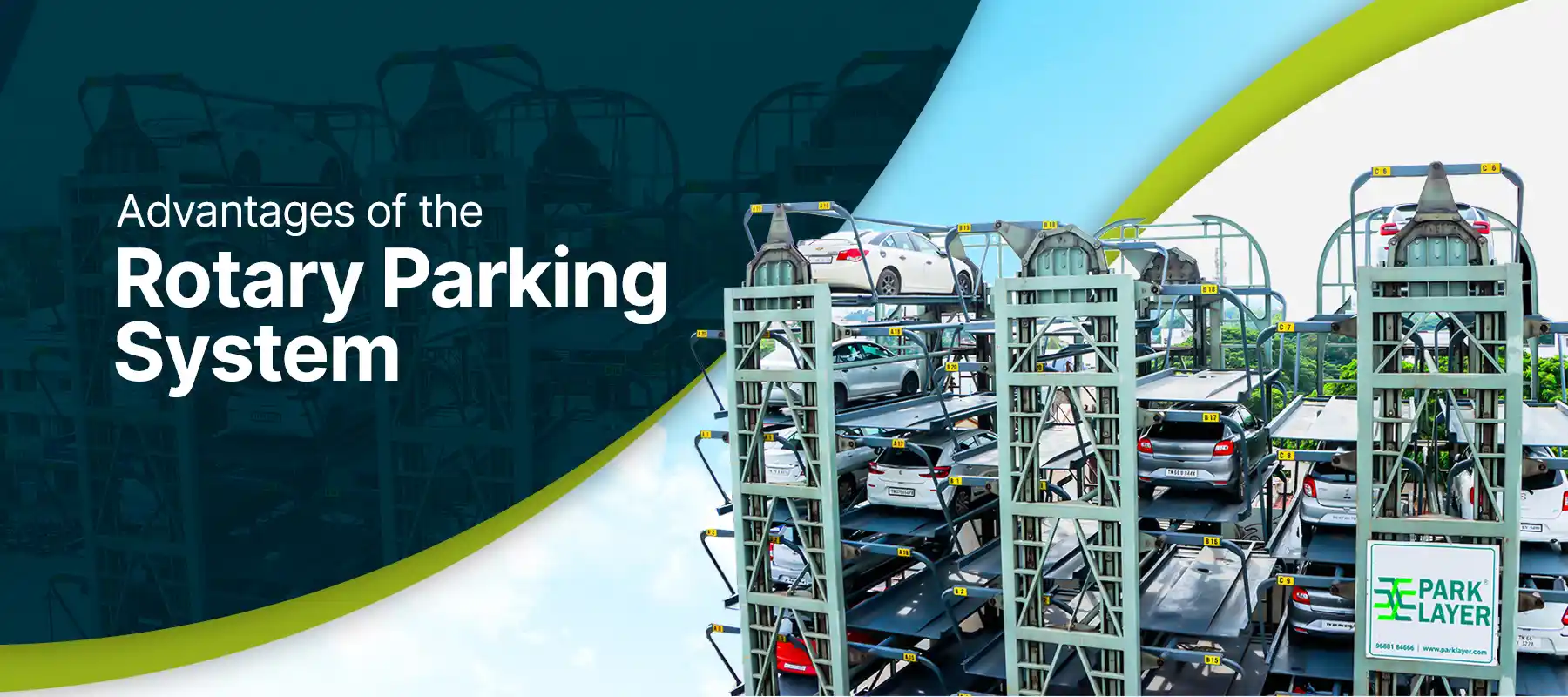
The numbers speak for themselves. A rotary parking system can park 6 to 12 vehicles in the space that 2 conventional spots would take. That is not a marginal improvement. For a developer where every square foot has a price attached to it, that difference changes the entire economics of a project.
Different Sites, Different Systems
Not all projects will require the same solutions; indeed, the solutions available have increased considerably.
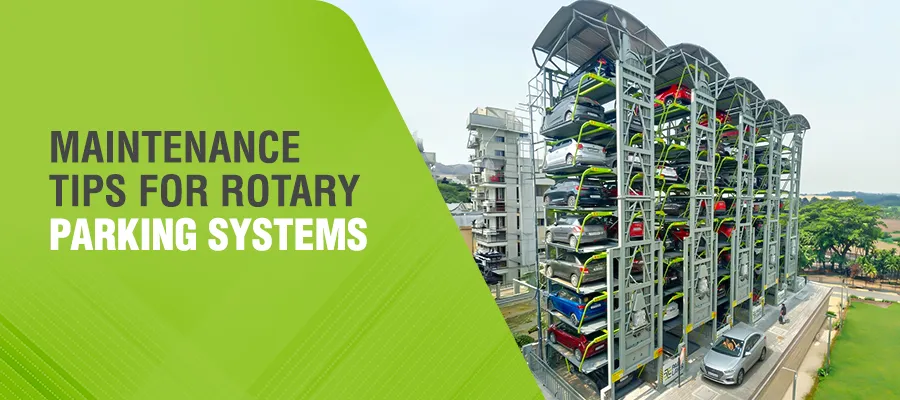
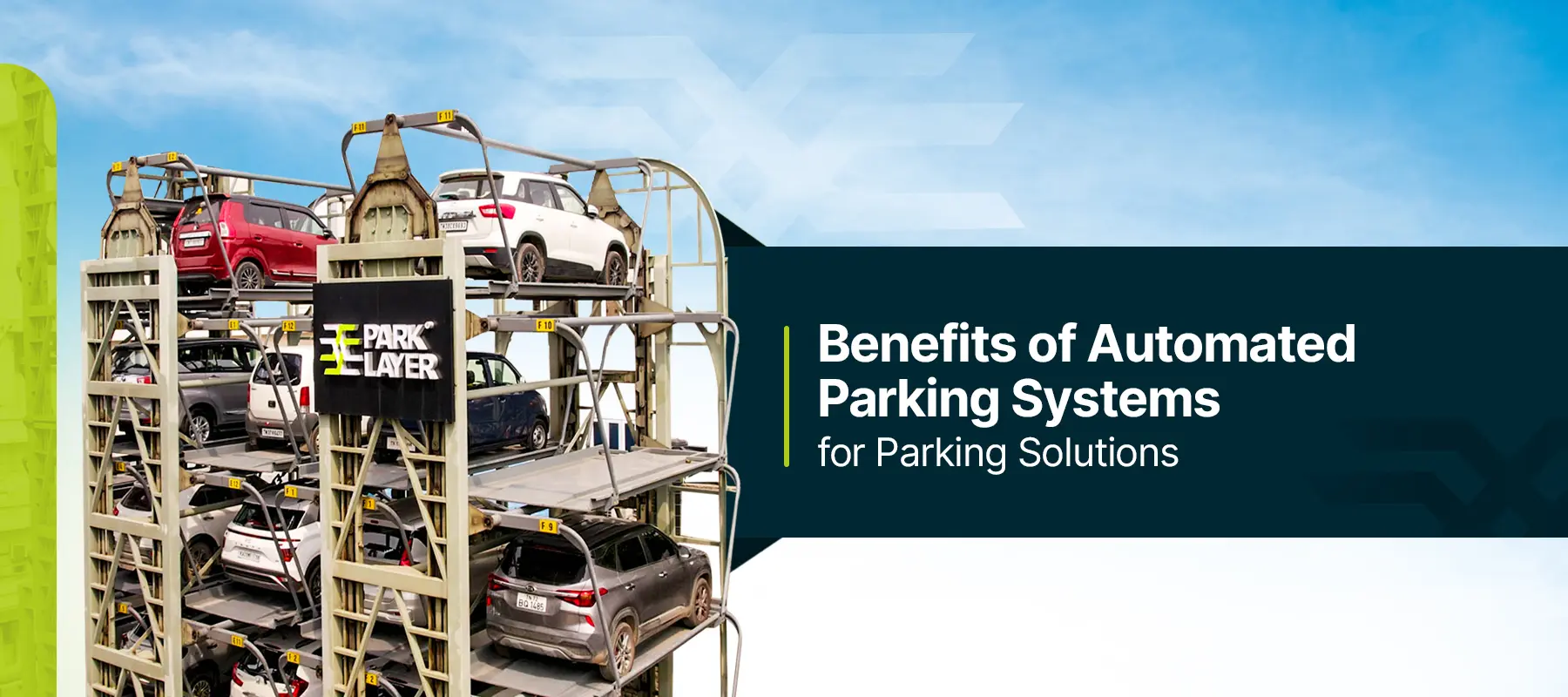
The rotary systems employ a vertical carousel in order to turn vehicles placed on individual platforms. These systems are compact, mechanically simple, and user-friendly. In residential towers, hospitals, and moderate-sized commercial complexes, they usually provide the most efficient solutions.
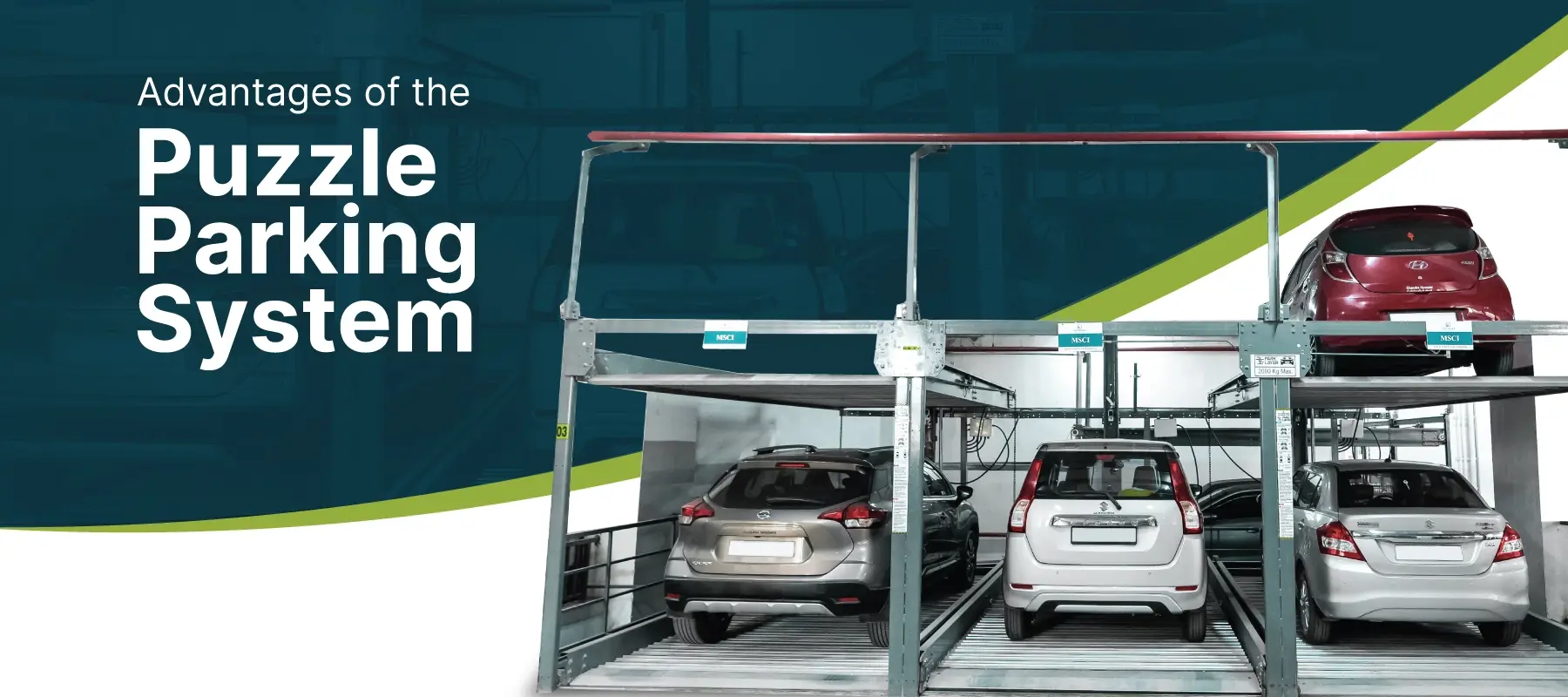
In puzzle systems, the vehicles are shifted horizontally and vertically by placing them on sliding platforms in an array. These systems work efficiently in complex facilities where there is the requirement to accommodate many vehicles in an extensive area.
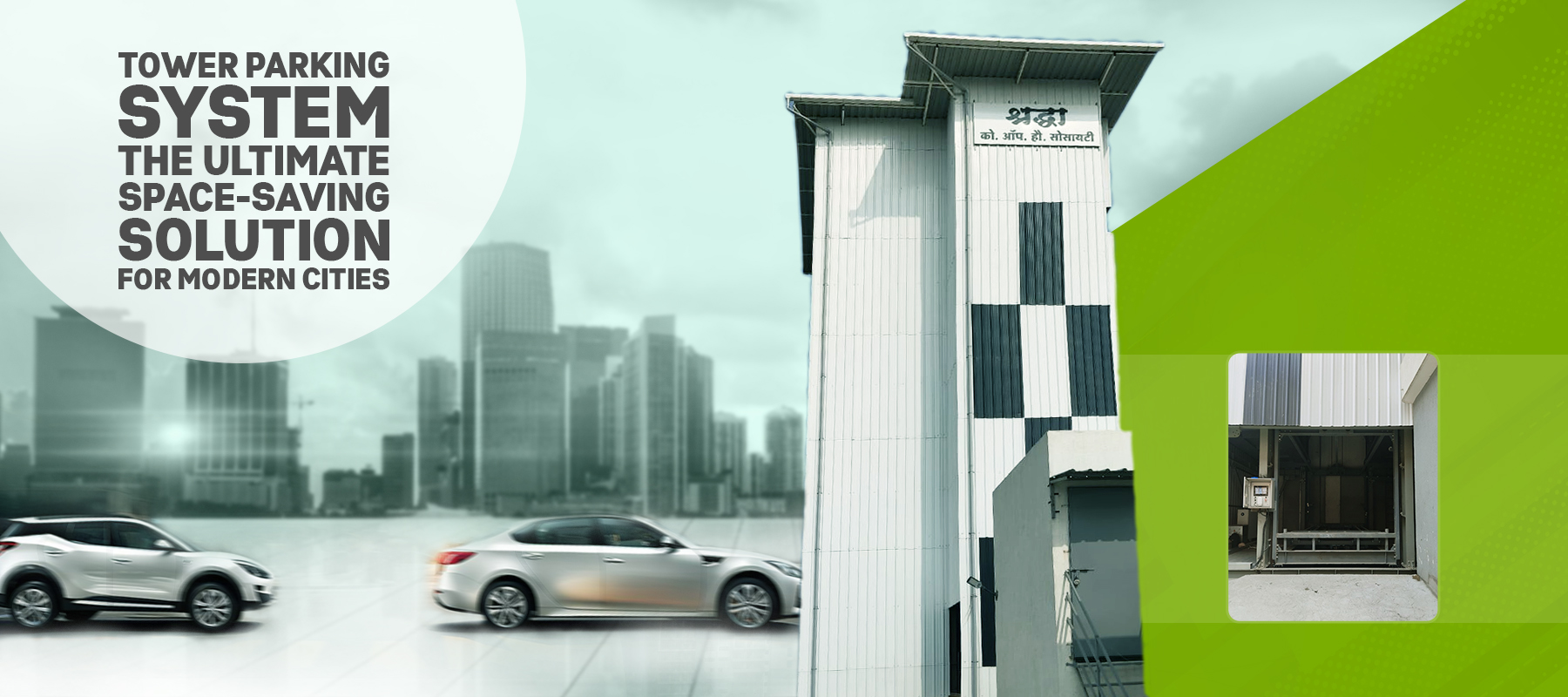
Tower systems employ a central elevator in order to allocate vehicles on various bays on different floors. In cases where there is a demand for a high number of vehicles in a small plot of land, they provide the maximum density possible.
Of all these systems, the rotary systems continue to prove themselves to be the most reliable and efficient in terms of maintenance and usage. They should be considered first in urban projects.
Where It Actually Makes a Difference
For residential towers, parking is not a background feature. Residents interact with it every single day. This system is very fast, efficient in keeping vehicles safe, and does not require the presence of a person to operate it effectively; people can see this and will appreciate it. In high-end developments, it has evolved from just being a differentiator to an expected feature.
In commercial complexes, the relationship between parking and traffic is clear. A customer who cannot find a spot in five minutes does not look for longer. They leave. In any competitive retail area, that is not a minor inconvenience. It is lost revenue.
Hospitals have their own version of this challenge. Patients and attendants arrive throughout the day without any predictable pattern. A multi-level system handles that variability without requiring the kind of open lot space that most hospital campuses simply do not have.
Colleges and institutions with constrained campuses face the same problem with two-wheelers and four-wheelers arriving together every morning. Multi-level systems let them manage that volume without buying more land.
Markets are perhaps the most underserved. They generate some of the highest vehicle volumes in any urban area while sitting on land that was never planned for modern traffic. A well-placed rotary system can change what is achievable within an existing compound.
The Numbers Work for Developers Too
Beyond solving a space problem, multi-level parking makes financial sense.
The area saved by not building a conventional ramp structure can go toward additional units or commercial space. In markets where carpet area translates directly into revenue, that calculation is worth doing early in the design process.
Parking norms across Indian states are also tightening. Municipalities are mandating higher allocations per unit and per square foot of commercial space. Multi-level systems let developers meet those requirements without giving up buildable area.
And there is one more angle that often goes unnoticed. A parking structure on a main road has exterior panels that face traffic all day. Brands pay well for that kind of visibility. For a developer, that turns a cost into something that generates returns beyond its primary function.
Built to Last
A parking system that goes down is not just an inconvenience. At a residential society or a busy commercial complex, it is a crisis. Residents cannot retrieve their cars. Customers are stuck. The complaints come quickly.
Well-designed multi-level systems, especially when their design is based on mechanical systems as opposed to electronic ones, are made in such a way as to last at least 15 to 20 years without any special care needed. With fewer sensors and circuit boards, there are fewer potential places for trouble.
The Big Picture
Multi-level parking is not an extra, luxury option for any project. Multi-level parking is a practical solution to a challenge faced by every urban development sooner or later.
The land is not getting cheaper or more abundant. Vehicles are still purchased at an increasing pace. The need for more parking will continue to grow. Those who provide the solution right now are doing something important for a long time ahead.
© 2026. Parklayer Pvt Ltd. All rights reserved.